

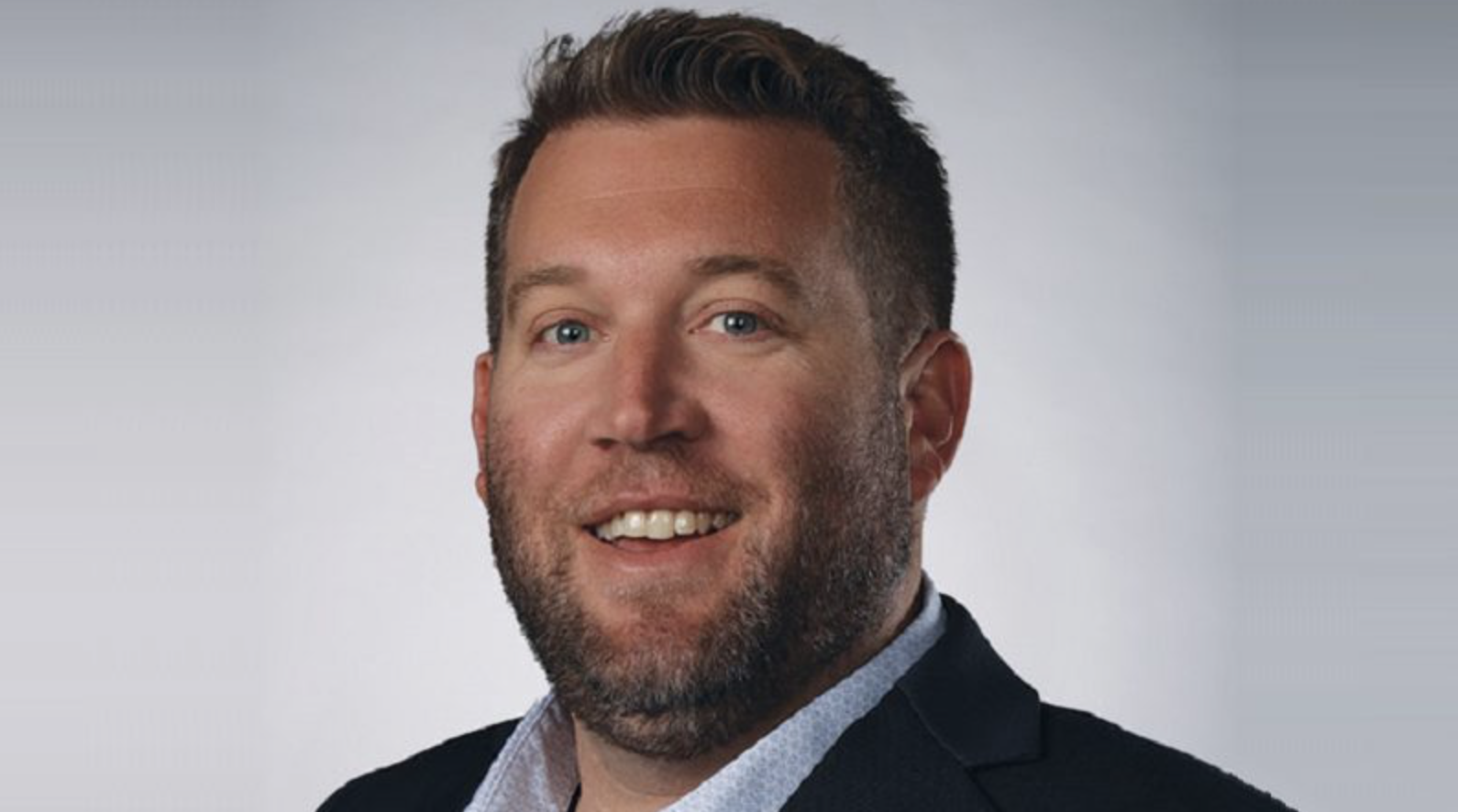
With two decades of experience in San Diego real estate, Christian Spicer has transformed SDRE, a leader in building attainable housing in San Diego, from its property management origins into a full-scale, vertically integrated development firm. Under his leadership, SDRE has brought acquisition, drafting and engineering, Class A and Class B contracting, and property management together in-house to streamline operations. Spicer leads one of the region’s most active real estate teams, having raised over $150 million in investor capital and managing a portfolio exceeding $500 million in assets.
Can you tell us a little about your background and why you founded SDRE?
My path into real estate started while I was studying economics at San Diego State University. I took a job as a leasing agent to support myself through school, and before long, I was also doing much of the hands-on cosmetic and upgrade work myself during unit turnovers. As the company grew, I moved into full property management, gaining firsthand experience across the entire lifecycle of a rental property.
Over time, I built strong relationships with investors who trusted me not only to manage assets but to identify opportunities, properties I could remodel, rent, stabilize, and deliver strong returns on. During the apartment boom, I was involved in improving a few thousand units, which taught me a tremendous amount about construction, operations, and market demand.
Eventually, I transitioned into flipping properties myself and found success quickly, along with a major lesson in permitting challenges. That’s when a friend suggested I add an accessory dwelling unit (ADU) in the backyard. That’s when the lightbulb turned on for me. I realized the huge, untapped potential of ADUs for homeowners, communities, and the region of San Diego’s housing challenges. That moment is what ultimately led to the founding of SDRE.
How would you describe the types of communities/lifestyles that middle housing helps create?
In our neighborhoods, you’ll find young professionals finally able to rent a space of their own, new couples putting down roots, and veterans who value stability and proximity to services. Our tenants all share a desire to live near the things that matter, like work, transit, schools, and neighborhood life, but avoid the density, noise, and pace that often come with downtown living.
Middle housing opens doors for people to live in areas they may not have previously been able to afford, while still enjoying the character and charm of established neighborhoods. We’ve found that our spaces naturally foster community. Residents spend time in common areas, get to know each other, and build the kind of connections that turn a rental into a place people are proud to call home.
What are some of the features that make your projects appealing in this market?
Our projects are designed to offer the conveniences and comforts that today’s renters value most, while still feeling personal and connected to the surrounding neighborhood.
Each unit includes its own washer and dryer and features high-end finishes and 10-foot ceilings that create a modern, spacious feel, which is not typical of traditional rental offerings. Residents enjoy the privacy and quiet of a standalone home. The thoughtfully designed common areas encourage interaction and community between neighbors. And most importantly, these homes are in neighborhoods where people want to live, putting residents close to the character, amenities, and everyday experiences that make a place feel like home.