

If you want a brighter smile but don’t want to shell out for professional teeth whitening, there are plenty of ways to whiten your teeth at home, from whitening strips to whitening toothpaste. With oral care, it’s important to consult a dentist to ensure you’re protecting your teeth. That’s why we asked dentists to recommend whitening toothpastes that are effective, gentle and budget-friendly.
However, it’s important to keep your expectations realistic. “It should be noted that while whitening toothpastes can help remove surface stains and maintain brightness, they have limitations — most won’t change the natural color of your teeth or treat deep discoloration,” states Dr. Sandip Sachar. Many dentists also don’t recommend using whitening toothpaste every day over a long time. With that in mind, we reached out to dentists to find out what whitening toothpastes they recommend to their patients in the short term.
What is the best whitening toothpaste overall?
We did not choose a single best whitening toothpaste because the ideal option depends on individual preferences and needs. Below, we have listed various types of whitening toothpaste based on dentist recommendations. However, if you have any questions, it’s best to consult your dental provider for personalized advice.
Best whitening toothpaste of 2025
Best natural, low‑abrasive whitening toothpaste
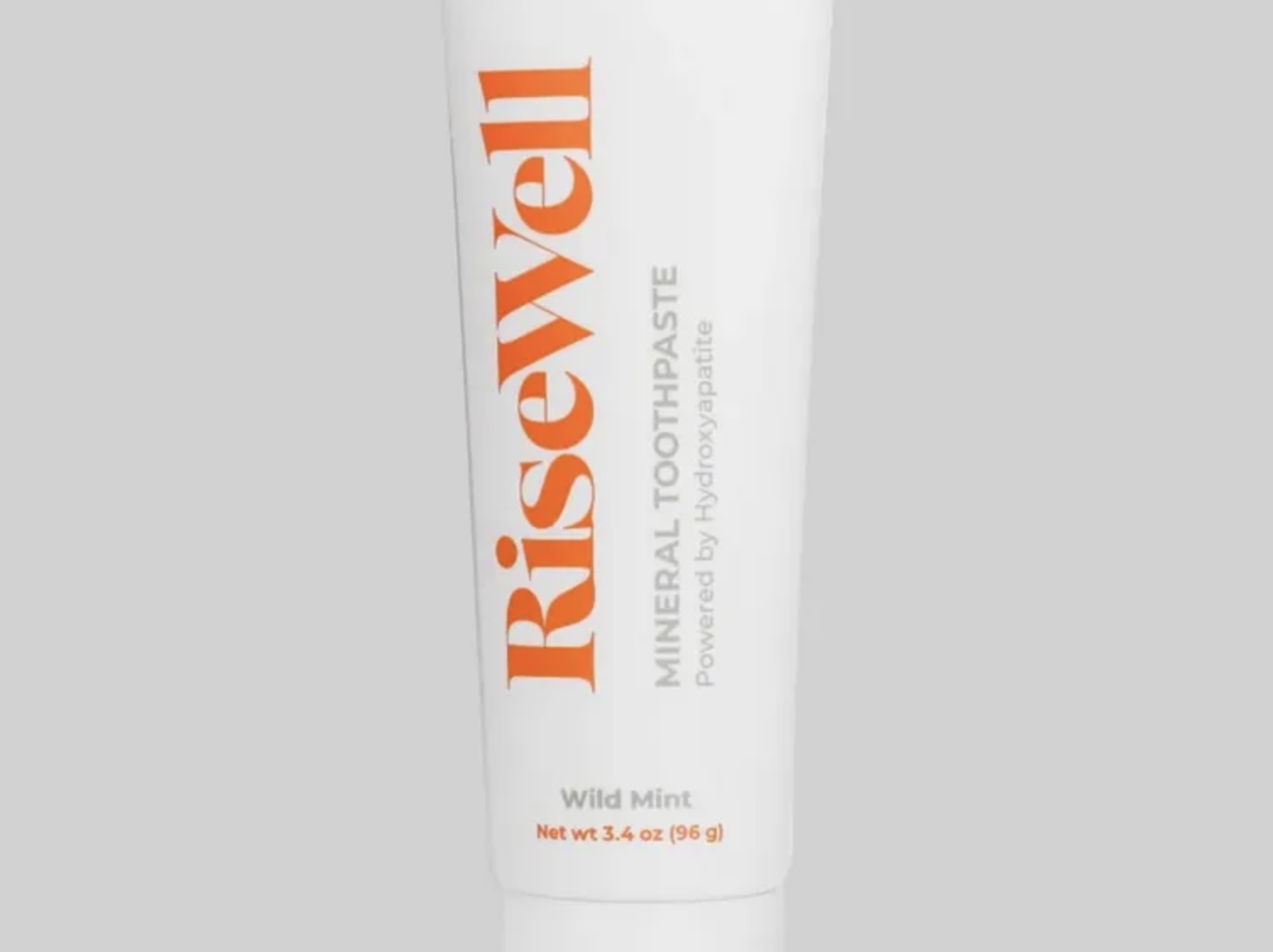
RiseWell Mineral Toothpaste
Pros
- Uses nano‑hydroxyapatite for healthier enamel
- Good for those avoiding fluoride
Cons
- Not for those who want a fast multi-shade change
- More expensive than other toothpastes at $12
Why we like it: Dr. Christopher Tolmie, DDS, MBA, of PDS Health, recommends this whitening toothpaste, saying, “Instead of peroxide, it uses nano‑hydroxyapatite, the same calcium‑phosphate crystal your enamel is made of, to lift surface stains. Healthier enamel means fewer bacterial highways into the rest of your body.”
Tolmie also cites a 2021 randomized clinical trial that found that 10 % hydroxyapatite protects against cavities as well as fluoride. “It polishes stains while filling micro‑cracks, smoothing, whitening and reducing sensitivity,” adds Tolmie. “Expect a gentle 1-2‑shade lift in 2-4 weeks, versus a 3-8-shade jump in a single professional visit.”
Dr. Yenile Pinto, DDS, founder of Deering Dental, also recommends this toothpaste for stronger, healthier enamel. “It strikes a great balance between cosmetic whitening and true functional benefit,” she says.
“To me, the ideal whitening toothpaste helps remineralize enamel, balance pH and support your oral microbiome,” Pinto explains. “Nano-hydroxyapatite does just that, and as it rebuilds the tooth’s surface, it naturally reduces transparency and helps teeth appear whiter without irritation or long-term damage. By smoothing and strengthening the outer layer, it also increases the tooth’s ability to reflect light, making your smile appear not only whiter, but more brilliant and vibrant.”
Who is it best for: This toothpaste is best for “clean‑label and fluoride‑averse seekers, kids, pregnant patients or anyone wanting everyday whitening without the high sensitivity side effect risk,” states Tolmie.
Pinto also recommends this toothpaste to patients with mild sensitivity, early enamel erosion or a history of cavities.
Who should not get it: Tolmie doesn’t recommend this whitening toothpaste to heavy smokers, people with tetracycline stains or those who want a fast multi‑shade change. For patients who want the latter, he states that they will need custom trays or in‑office bleaching.
“I don’t recommend using whitening toothpastes or even gentler ones every single day long-term,” adds Pinto. “Most contain a slight abrasive (often hydrated silica or baking soda), which is generally safe in moderation but can wear enamel over time if overused.”